

Loading the interface. JavaScript is required; controls stay disabled until ready.
Clear totals, useful details and the method behind them.
Fill in your details and select Calculate growth. Your result will appear here.
How to use Compound Interest Calculator
- Enter the values labelled for this calculation and choose the relevant options.
- Select Calculate to see the primary result, supporting figures and calculation breakdown.
- Review the methodology below. Copy result keeps a plain-text summary; Reset restores the example inputs.
Formula and methodology
Each period: optionally add the contribution, apply balance × annual rate / (100 × frequency), then add an end-period contribution. Without contributions, A = P(1 + r/n)^(nt).
A worked example
1,000 at 10% compounded annually for two years, with no deposits, becomes 1,210.
Assumptions and limitations
Deposits occur once per selected compounding period, not automatically monthly. Daily means 365 financial periods per year. Twelve-decimal fixed-point balances reduce rounding error; final money display rounds to cents. No fees, inflation, taxes or guaranteed returns.
Questions and answers
Are contributions always monthly?
No. The contribution repeats at the selected compounding frequency; use monthly for monthly deposits.
Separate deposits from interest
Compounding adds interest to a balance so later periods can earn interest on that accumulated amount. The timing and frequency of extra contributions can change the projection as much as the starting principal. All rates here are assumptions you supply.
A practical example
Without extra deposits,$2,000 at an illustrative annual 5% compounded yearly becomes $2,205 after two years. The first year earns $100 and the next earns $105. The example explains the formula; it is not a savings product recommendation or a promise that a return will occur.
A contribution is per selected period
If you select monthly frequency, the contribution is added every monthly period. If you select annual frequency, that same field is added annually instead. Beginning-period deposits earn interest sooner than end-period deposits. Keep the frequency and deposit assumption aligned before comparing two balances.
Understand the model boundaries
Daily frequency uses 365 financial periods per year rather than actual dated calendar accrual. The model holds the rate and recurring inputs constant and excludes fees, tax and inflation. A nominal projected balance does not describe future purchasing power. Review total contributions separately from interest so deposits are not mistaken for investment growth.
Worked example: monthly saving over 10 years
You start with $5,000 and add $200 a month at 5% interest compounded monthly. After 10 years you have paid in $29,000. The balance grows to about $39,300, so roughly $10,300 is interest. With no monthly deposits, the $5,000 alone would grow to about $8,235. Regular contributions usually matter more than the exact rate in the early years.
More questions about the Compound Interest Calculator
How often should interest compound?
More frequent compounding gives a slightly higher return. $10,000 at 5% for one year earns $500 compounded annually, about $511.62 monthly and about $512.67 daily. The difference is small compared with the rate itself, which is why banks quote APY in the US or AER in the UK to make offers comparable.
What is the rule of 72?
Divide 72 by the annual interest rate to estimate how many years it takes for money to double. At 6%, savings double in about 12 years; at 9%, about 8 years. It is an approximation that works best between 4% and 12%, and it applies equally to debt growing at a given rate.
Does this calculator include tax and inflation?
No. Interest in a regular savings account may be taxed, while accounts such as a US Roth IRA, a UK ISA, a Canadian TFSA or Australian superannuation have different tax treatment. Inflation reduces what the final balance buys. For long-term planning, compare results using a rate after expected inflation.
Choose your next task
- Simple interest calculator: Compare growth without interest-on-interest.
- Percentage change calculator: Measure a relative change without attributing deposits to investment returns.
Learn how to use this tool
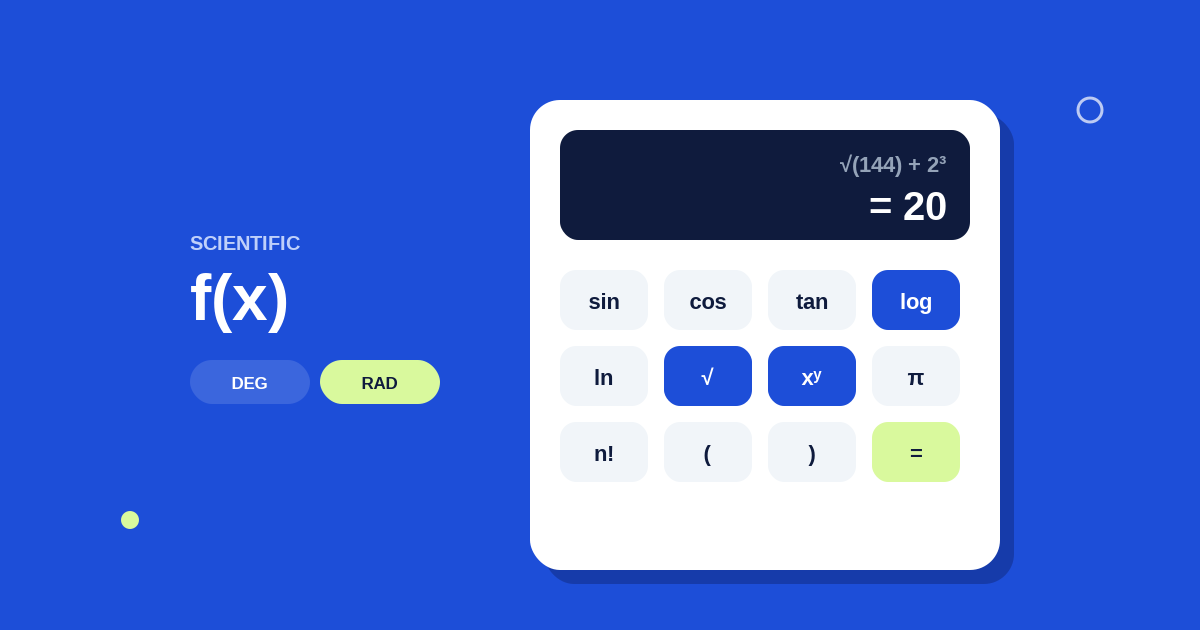
How to Use a Scientific Calculator Online: Complete Beginner's Guide
A beginner-friendly walkthrough of scientific calculator functions, common mistakes and practical examples for everyday learning.
About 7 min read
Read guide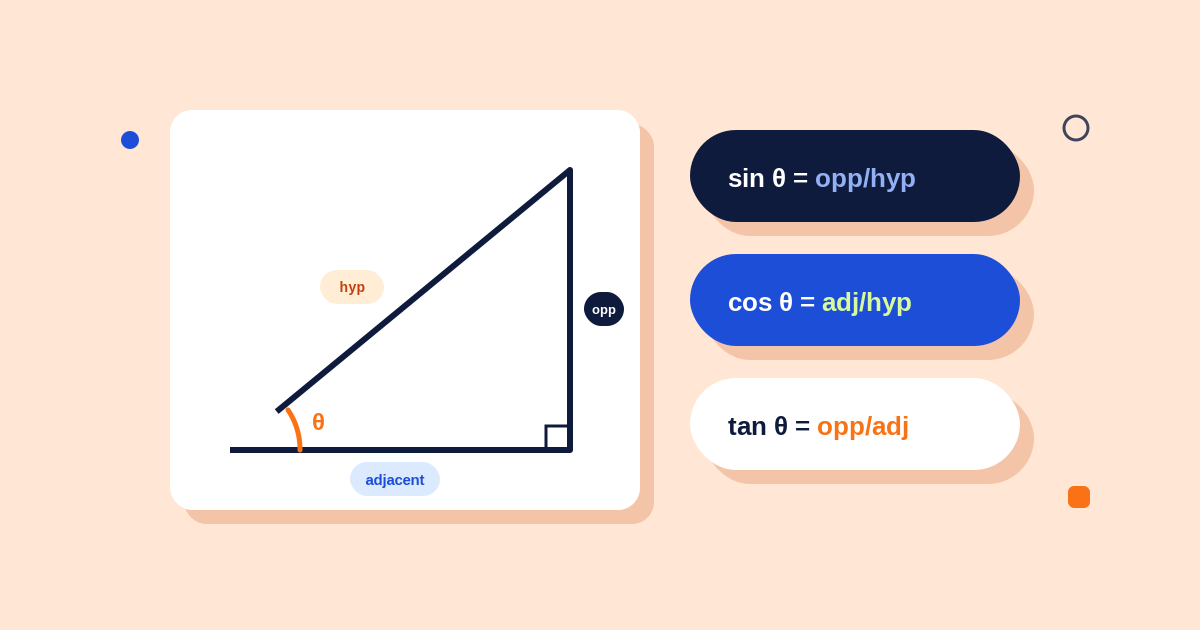
How to Calculate Sin, Cos, and Tan Using a Scientific Calculator
Understand trigonometric ratios, choose the right angle mode and solve practical triangle problems with step-by-step examples.
About 6 min read
Read guide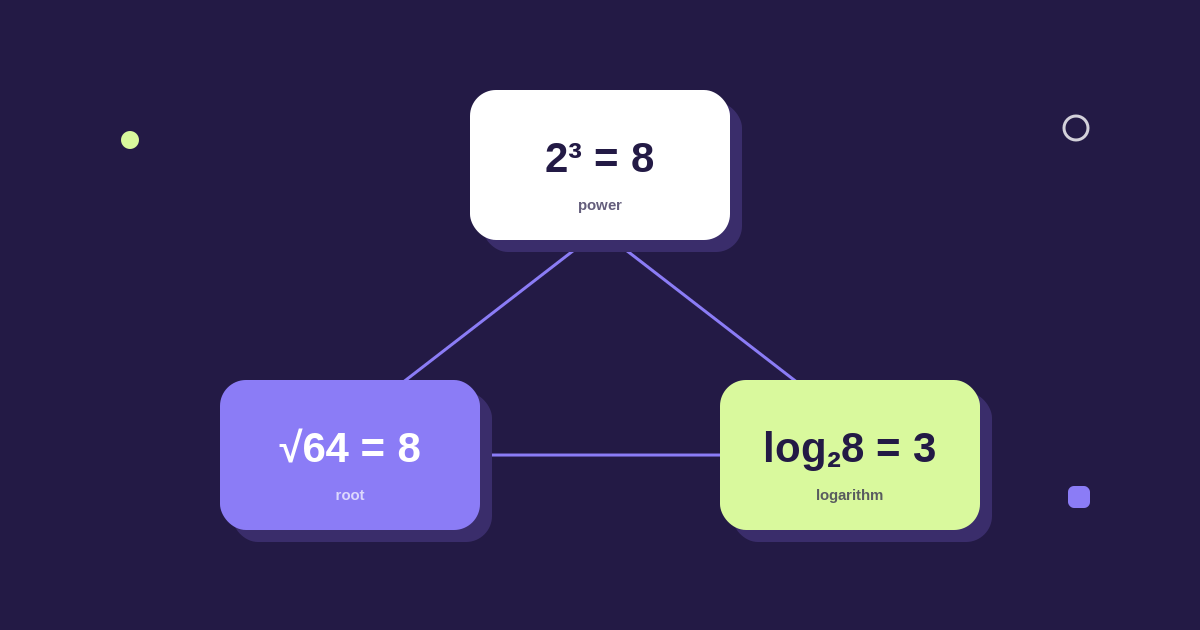
How to Calculate Logarithms, Powers, and Square Roots Online
Explore powers, roots and logarithms with clear examples, calculator instructions and the mathematical rules connecting them.
About 7 min read
Read guide